What Does a Scaffolder Do?
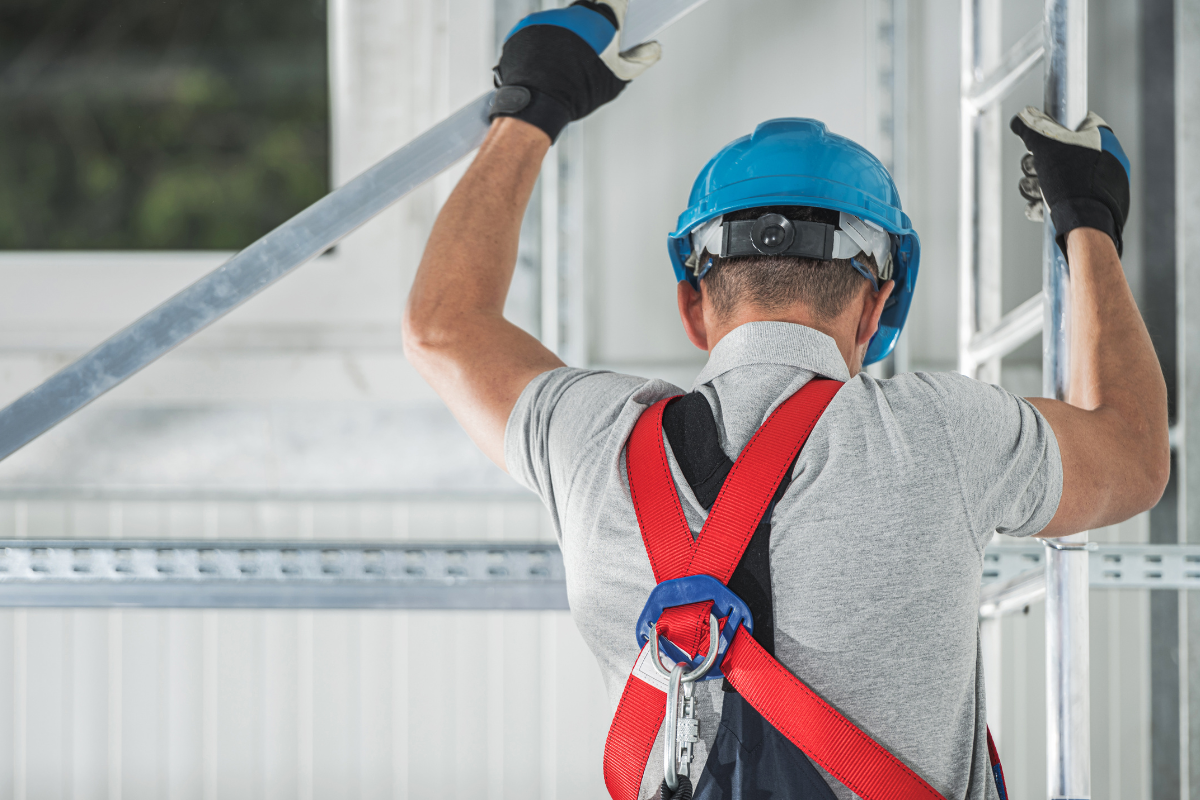
Scaffold Hire & Labour Explained
When people think about scaffolding, they usually think of the equipment first. Platforms, standards, stairs, and the structure wrapped around a building are the obvious parts of the job.
But that equipment doesn’t plan, deliver or build itself.
A scaffolder is the person behind the setup, making sure the scaffold suits the building, the work being carried out and the access the trades need throughout the project.
That’s also why there’s an important difference between scaffold hire and scaffold labour. If you’re organising scaffolding for a renovation, new build, painting project, or larger construction job, understanding that difference can make planning much easier.
What does a scaffolder actually do?
A scaffolder does much more than assemble scaffold components.
Before the scaffold goes up, the team needs to understand the project. What work is being completed? Where do trades need access? How high is the building? Are there difficult areas around the property? How long will the scaffold need to remain in place?
At Sunrise Scaffolding, Stephen discusses the project with the client and can recommend a setup that maximises access and functionality. Floor or building plans may be required for quoting, and a site inspection can help assess access, safety, and the job's requirements.
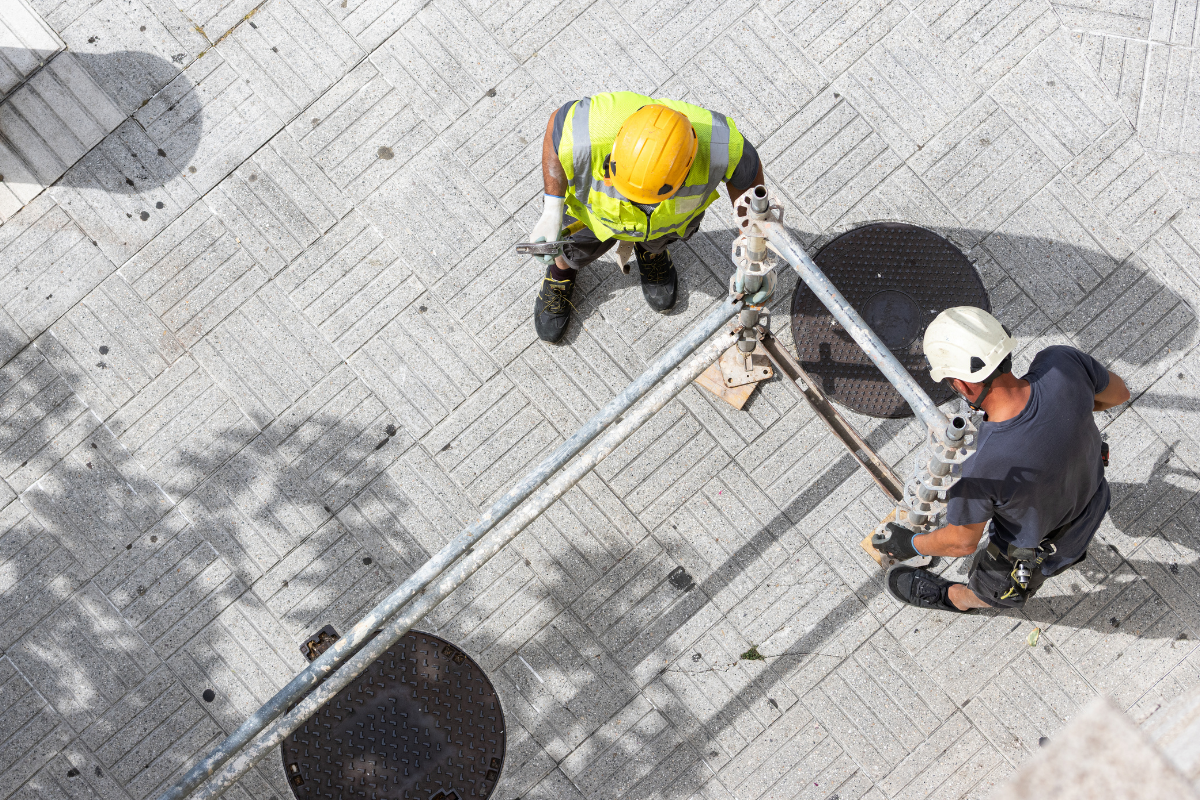
Once the setup is agreed, the scaffolder erects the system so the working platforms and access points suit the project, then dismantles it when the work is finished.
Want to see how that works from first enquiry through to installation? Read more about the Sunrise scaffold hire process.
What qualifications does a scaffolder need?
Scaffolding is skilled work, and the qualifications required depend on the type of scaffold being erected and the work involved.
In Victoria, a high-risk work licence is required for scaffolding work where a person or object could fall more than four metres from the scaffold. WorkSafe Victoria recognises three scaffolding licence classes: Basic (SB), Intermediate (SI) and Advanced (SA). Each class allows the licence holder to undertake different types of scaffolding work.
Basic scaffolding licence (SB): Covers work involving prefabricated and modular scaffolds, along with specified systems such as bracket scaffolds, safety nets and static lines.
Intermediate scaffolding licence (SI): Includes basic scaffolding work as well as more complex systems such as cantilevered scaffolds, spur scaffolds and tube-and-coupler scaffolds.
Advanced scaffolding licence (SA): Includes intermediate scaffolding work and specialised systems such as hung and suspended scaffolds.
The licence class required depends on the scaffold being installed and the work being undertaken. Even when a high-risk work licence isn't required, scaffolding should still be erected, altered, and dismantled by people who are appropriately trained and competent.
At Sunrise Scaffolding, our scaffolders are qualified to carry out the work required for their roles, helping ensure each project is handled by people with the appropriate skills and training. Whether you're organising scaffolding for a home renovation, exterior painting or a larger construction project, having qualified scaffolders involved is an important part of planning the job.
When arranging scaffold hire or scaffold labour, check that the team has the qualifications and experience appropriate for your project's requirements.
For further information on scaffolding licence classes and competency requirements, refer to WorkSafe Victoria’s Scaffolding Industry Standard.
What’s the difference between scaffold hire vs scaffold labour?
They’re closely connected, but not quite the same.
Scaffold hire: Hiring the scaffolding equipment required for the project.
Scaffolding labour: The skilled work involved in erecting, altering and dismantling the scaffold.
Depending on the project, you may need the complete service or scaffold labour alone. Sunrise offers scaffold labour as a standalone service or alongside scaffold hire, with a team qualified, insured, and experienced in scaffolding work.
Learn more about Sunrise's scaffold labour services and how they can support your project.
What happens before the scaffold goes up?
A good scaffold setup starts well before anyone begins erecting it.
The building's shape, available access, project type, and the work being completed all influence what needs to go where. A painter working on the exterior of a two-storey home has very different access requirements from several trades working across a larger construction project.
This is where an experienced scaffolder can help identify what the job actually requires rather than simply supplying equipment.
Sunrise's process can include discussing the project, reviewing plans, arranging a site visit where required, providing a quote and then scheduling the scaffold erection. For larger or more involved projects, early planning can also help ensure the scaffold is ready when the trades need it.
Why does experienced scaffold labour matter?
The scaffold needs to work with the job happening around it.
Trades need practical access to their work areas. Platforms need to be positioned appropriately. The scaffold also needs to suit the building, not get in the way of the work it was installed to support.
That's why choosing experienced scaffolding labour matters.
Sunrise primarily works with Kwikstage scaffolding, which can be configured for different building shapes and construction requirements. The team regularly inspects and maintains its scaffold equipment and works across both residential and semi-commercial projects.
For more information on the equipment itself, explore Kwikstage scaffold hire.
What types of projects does a scaffolder work on?
No single scaffold setup works for every site.
Sunrise's scaffold labour team works across projects ranging from small home renovations and external painting through to multi-storey apartments and community centres. Setups can include work platforms, stair access, scaffold towers and other configurations depending on what the project requires.
That variety is a big part of the job. A good scaffolding business should be able to review the work and design the scaffold around the project's actual access requirements.
Do you need both scaffold hire & labour services?
Often, yes.
Managing the equipment and labour together can simplify the process because the same scaffolding company can organise the scaffold, delivery, erection, and dismantling.
Sunrise provides a turnkey service that includes the design, provision, delivery, erection and dismantling of its Kwikstage scaffolding. In most cases, its quotes include four weeks of scaffold hire, labour for erection and dismantling, and transport.
If you already have equipment and only require experienced labour, Sunrise can also provide scaffold labour separately.
Explore Sunrise scaffold hire services to see what's available.
Looking for a scaffold hire in Geelong?
Searching for scaffolding hire near you usually means you need more than someone who can simply supply the equipment. You need a team that can understand the site, recommend an appropriate setup and be there when the project needs them.
Working with a local Geelong scaffolding company can also make communication, site visits, delivery and scheduling easier.
Sunrise Scaffolding is based in Geelong and services Greater Geelong, the Bellarine Peninsula, Surf Coast, Ballarat and selected areas of Melbourne.
If you're looking for Geelong scaffolding for a residential or construction project, you can learn more about scaffold hire Geelong and the services available locally.

Need a scaffolder for your next project?
Our experienced team can recommend the right commercial or residential scaffolding solution for your project. Send us an enquiry to get a tailored quote based on your site, timeline & access requirements.